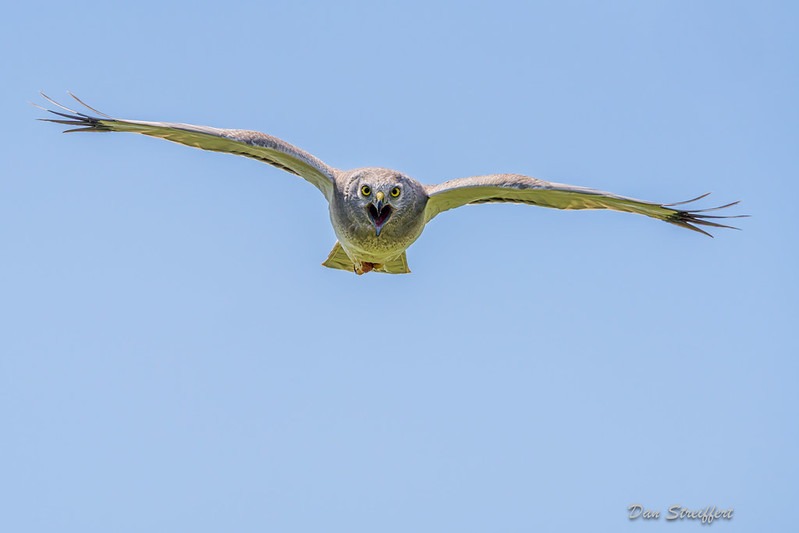
Northern Hairier
By Dan Streiffert

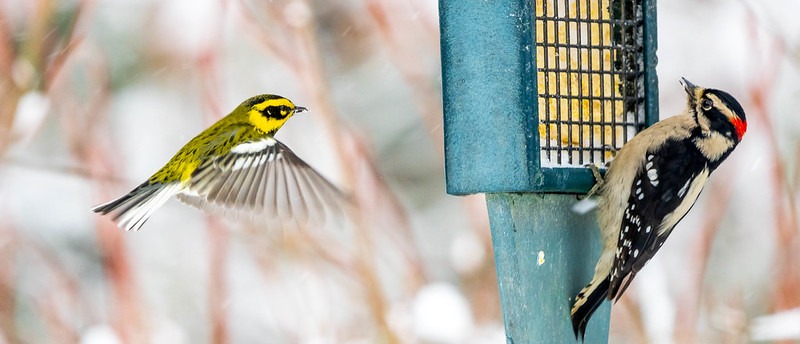
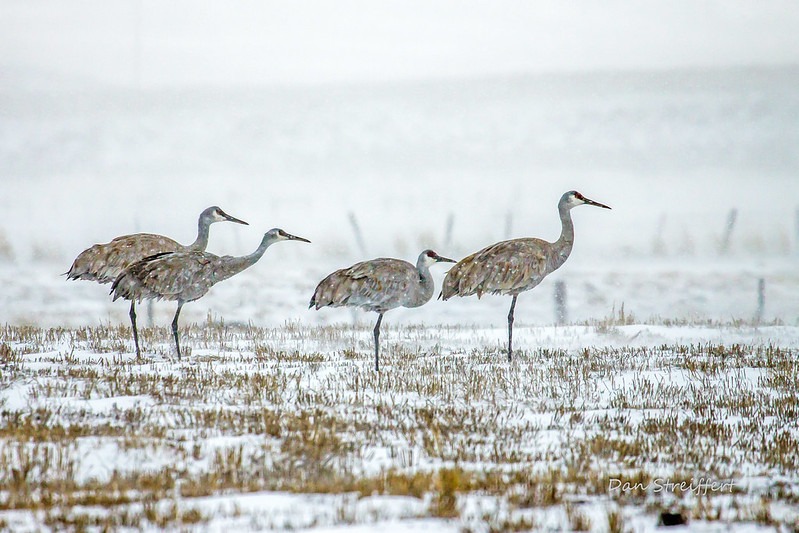

by Bob Swain

It must be February with the incessant drumming of our Northern Flickers on anything that resonates and the always active Bewick’s Wrens work double time attempting to mate an early nesting to the emerging insect world. These things are happening where I live and they are happening around where you live too. In the air around Western Washington there is an additional drama unfolding.
Starting now, and for the next 6 months, those of us with the calling to associate with our Western Washington Peregrine Falcons are cleaning all our lenses and clearing our calendars. This global species has been through population peaks and valleys over the last 70 years that have been well publicized. As a top avian predator, the health of their population is constantly under pressure due to habitat shift/ loss, competitive displacement and environmental toxins.
Peregrines have recovered from their low point and are currently off the species of concern list. They have benefited from their adaptability but are continually exposed to risk factors like bird flu, habitat loss, and low survival rates to adulthood. Even as the fastest animal in the world, they can’t escape these threats. They still benefit from our oversight, and we are fortunate to have volunteer groups in Western Washington whose members put in countless hours in support of our local birds.
There are two groups operating in different arenas, both performing similar tasks and both generating valuable outcomes. Peregrines have adapted well over the last decades to life in our urban areas. Those birds that have chosen survival and reproduction on high rise building ledges and underneath bridge structures throughout the greater Puget Sound Region, are under the watchful eyes of one of the groups, the Urban Raptor Conservancy (URC).
Other birds that have alternately chosen life in the mountain foothills stake out nesting locations on sheer rock bluffs up and down the Cascade Range. Finding and confirming their eyrie locations is the work of volunteer members of the Cascade Peregrine Project (CPP).

Both groups have similar mandates that include collecting population data, interacting with public and private groups to improve nesting success, monitoring brood productivity and sharing all this data with the Washington Department Of Fish And Wildlife (WDFW). The volunteer experiences are both equally rewarding and dramatically different. With the urban group you are sometimes dodging traffic, dealing with road noise and tracking birds among congested high-rise structures, but as a reward many of the birds are close and frequently visible. You are working with the DOT and individual building owners to improve nesting sites.
With CPP, you are in the front row of nature and working with WDFW, State Parks and various individual landowners to gain access and at times have trails and rock-climbing sites closed to the public during crucial nesting activities. When you can’t find falcons, sometimes you can find mountain goats. CPP observers play a huge game of “Where’s Waldo” until the parents start bringing in food to their chosen eyrie area, the eyasses emerge, the parents engage in mid-air battles with other raptor intruders and fledglings start their journey towards adulthood.
With either group, the rewards are tangible for the individual and the group. We can take pride collectively as contributors to the nationwide citizen science community, whose efforts enhance the effectiveness of our national, state and local wildlife agencies. The stories that emerge of pair formation, territory defense against Red Tailed Hawks, Bald Eagles and Turkey Vultures, eyas emergence and development, fledging activity and Peregrine Falcon flight and hunting lessons are extraordinary. Saving a first flight failure from drowning, automobiles or the talons of a Bald Eagle takes this dedication to an even higher level and gives those young falcons another chance to reach adulthood.
This article was written specifically to appeal to readers who are already participating in the birding community. Raptors, and specifically Peregrines, may not have been your main area of interest but if you feel yourself attracted to the efforts outlined here, volunteer hours are always appreciated. More eyes are always a benefit when you are searching for gray birds, around gray structures, against gray rock faces inclusive of gray trees all up against frequent gray skies.
If your interest has been piqued by what you’ve read here and you’d like more information about CPP or want to get involved, please email your name and contact details to CPPfoothills@gmail.com. A representative will be in touch.
